
As global brands expand their reach, effective international SEO considerations become crucial for success in diverse markets. The digital landscape presents both opportunities and challenges, with local search algorithms, cultural nuances, and multilingual content demanding tailored strategies. This article examines the essential best practices and tools for optimizing global brands' online presence. We'll explore everything from market-specific tactics and SEO implementation to metrics analysis and long-term growth strategies, ensuring your brand excels in the international arena. By the end, you'll be equipped with actionable insights to navigate the complexities of international SEO successfully.
- Understanding Global SEO Challenges and Opportunities
- Localize for Local Search Dominance
- Keyword Research: Global Reach, Local Relevance
- On-Page Optimization: International Best Practices
- Technical SEO for Multilingual Sites
- Advanced Tools for Global Brand Visibility
Understanding Global SEO Challenges and Opportunities
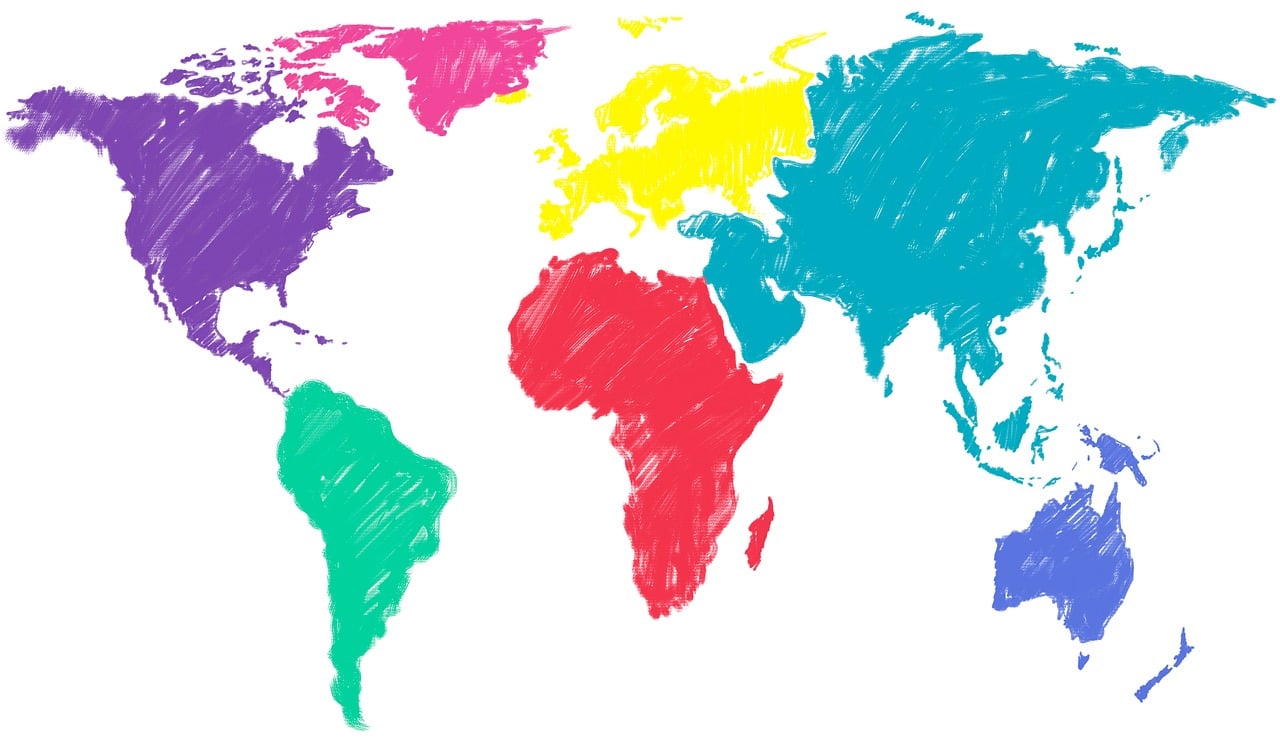
Global brands expanding their reach into new international markets face a unique set of challenges for search engine optimization (SEO). International SEO considerations are not merely an extension of domestic strategies; they demand a nuanced approach that acknowledges cultural differences, market-specific trends, and varying consumer behaviors. What works for nearby SEO in one country may not be effective for e-commerce in another, as consumer expectations and online shopping habits differ significantly.
One of the primary challenges is managing the complexity of multilingual content. Brands must adapt their SEO strategies to support multiple languages, ensuring accurate translations that maintain brand voice and messaging. This involves implementing a Multilingual CMS (Content Management System) to streamline content creation and deployment across different regions. A global fashion brand might localize its website for each new market, presenting product information and marketing copy in the local language to improve user experience and search rankings.
Cultural SEO is another critical aspect, as search engines like Google are becoming increasingly sophisticated in understanding and catering to local preferences. This includes optimizing for local search ranking factors, such as reviews and local business listings, which vary from country to country. For multinational corporations, integrating Local SEO strategies into their overall international SEO plan is crucial. A nearby SEO campaign for a local restaurant in a new city can significantly boost online visibility and drive foot traffic, a key consideration for international brands entering new retail markets.
Cost-effective global online promotion is a viable option for small and large businesses alike. Tools like low-cost SEO platforms and content repurposing strategies can help brands maximize their online presence without breaking the bank. A global e-commerce brand could leverage competitor analysis and keyword research tools to identify high-value markets and tailor their content and link-building strategies accordingly. By combining these practical insights with a deep understanding of international SEO considerations, global brands can achieve sustainable online growth and maintain a strong, consistent presence across diverse markets.
Localize for Local Search Dominance

Global brands expanding their reach into new markets face a critical challenge: local search dominance. To succeed, international SEO considerations take center stage. Localizing your digital presence is paramount, as it ensures your website resonates with local audiences and ranks prominently in regional search results. This involves more than simply translating content; it requires a deep understanding of each target market's unique cultural nuances, preferences, and search behaviors.
A travel website catering to international tourists must tailor its content for specific destinations. This means crafting location-specific blog posts, optimizing meta titles and descriptions for popular local search queries, and incorporating regional keywords. Consider a top-rated international SEO consultant who specializes in travel. They might suggest creating dedicated landing pages for each country or region, ensuring the website is fully geotargeted. This strategy not only improves visibility in local search results but also provides a more personalized experience for users, leading to higher engagement and conversion rates.
Global SEO for small businesses presents a different set of opportunities and challenges. Local businesses must optimize their online presence for both local and international audiences. Implementing effective local SEO strategies, such as claiming and verifying Google Business Profiles, encourages positive customer reviews, and optimizing for local keywords, can make a significant difference. Engaging with local international SEO experts can provide valuable insights into market-specific trends and best practices, ensuring these small businesses stay competitive even as they scale globally. This localized approach, when combined with targeted link building and content marketing, can help establish a strong online presence in diverse markets, supporting the brand's overall growth and reach.
Keyword Research: Global Reach, Local Relevance

Global brands expanding their online presence into new markets face a unique challenge: reaching a local audience while maintaining global relevance. This requires a strategic approach to keyword research, which is the foundation of any successful international SEO strategy. When conducting keyword research for global e-commerce, understanding both the international reach and local relevance of keywords is paramount.
A global brand selling clothing might want to target "shoes" as a primary keyword. However, in different regions, "shoes" could mean specific styles or types that are more relevant to local users. Therefore, a comprehensive keyword research strategy should include identifying these variations and their search volumes. Tools like Google Keyword Planner and Ahrefs can help uncover these nuances by showing search trends for related terms in specific countries. For certified SEO specialists working with global brands, staying abreast of these regional variations is crucial. This ensures that content is optimized for both international visibility and local search intent, a key international SEO consideration.
Affordable international SEO services can employ effective tactics such as content repurposing and local translation to deliver relevant content at a reduced cost. For small businesses entering the global market, leveraging these strategies can be a cost-effective way to establish a strong online presence. By combining a deep understanding of local search behaviors with global brand guidelines, nearby SEO for international e-commerce can be tailored to specific regions without breaking the bank. This approach not only supports long-term growth but also ensures that the brand's online presence is as meaningful and successful in each new market as it is globally.
On-Page Optimization: International Best Practices

On-page optimization is a critical component of international SEO considerations, as it ensures your website is optimized for both global search engines and specific local markets. When expanding your brand into new international markets, a strategic and tailored approach to on-page optimization is essential. This involves understanding the nuances of each market, including language, cultural preferences, and local search behaviors.
A key aspect of niche international SEO strategies is adapting content to reflect local language and cultural contexts. This means translating your website's content into relevant languages and ensuring it resonates with your target audience's unique needs and preferences. A simple language translation goes beyond words; it involves understanding cultural idioms, proverbs, and local slang to maintain the authenticity and effectiveness of your message. Top-rated international SEO consultants often emphasize the importance of not just translating, but localizationizing content, ensuring it aligns with the target country's SEO best practices. This might include incorporating local keywords, adapting meta titles and descriptions, and optimizing images with relevant alt text.
Reviews of international SEO agencies highlight the value of expert guidance in navigating these complexities. These agencies employ specialists who understand the ins and outs of various markets, enabling them to offer customized solutions. They can assist with on-page optimization by conducting thorough keyword research specific to each target country, ensuring your website targets the right terms for each region. They can provide insights into local search ranking factors, helping you create content that resonates with both global and local search engines. For small businesses and start-ups, working with a local SEO agency or consultant can be a cost-effective solution, offering expert advice without breaking the bank. This strategy allows businesses to focus on their core competencies while leaving the technical aspects of international SEO to specialists.
Technical SEO for Multilingual Sites

As global brands expand their reach, international SEO considerations become paramount. Technical SEO for multilingual sites presents unique challenges, but also offers significant opportunities. A strong technical foundation is crucial for visibility and performance across diverse international markets. When optimizing for multiple languages, ensuring each site is properly structured, indexed, and accessible is fundamental. This involves implementing language-specific tags, creating clear site architecture, and optimizing for fast loading times in every language.
Same-day international keyword research can be a powerful tool for multinationals. By leveraging advanced tools that support multilingual keywords, brands can quickly identify relevant search terms and tailor content to meet local demand. A licensed global online marketing agency might employ same-day research to uncover regional preferences and tailor content accordingly, enhancing both local and global SEO performance.
Technical SEO for multilingual sites requires meticulous attention to detail and a deep understanding of each target market's unique requirements. Utilizing tools designed for international SEO, such as those that offer geo-targeting capabilities and support for multiple character sets, can streamline the process. Brands should also focus on optimizing for mobile-first indexing, as a growing percentage of international traffic originates from mobile devices. By implementing these best practices, global brands can ensure their multilingual sites are fully optimized for search engines, resulting in improved rankings, increased visibility, and a stronger online presence across diverse international markets.
Advanced Tools for Global Brand Visibility

For global brands looking to expand their digital reach, advanced tools are essential for navigating the complexities of international SEO. When entering new markets, understanding local search behaviors and preferences becomes paramount. This is where specialized, context-aware SEO tools prove invaluable. They allow brands to create targeted content in multiple languages, optimize for local search ranking factors, and effectively manage geo-targeting strategies.
One of the key challenges in international SEO is ensuring consistent brand messaging while adapting to local nuances. Trusted international digital agencies offer expert support in this area, providing global brand guidelines and ensuring an unified yet culturally relevant online presence. A well-established agency can help craft localized landing pages, capture relevant keywords in different languages, and integrate these elements seamlessly into a global content strategy. This not only boosts visibility but also enhances user experience, leading to increased engagement and conversions.
Affordable international SEO services can be found through specialized platforms and agencies that cater to the unique needs of global brands on a budget. These services often include content repurposing, which allows for maximum value from existing resources. By translating and optimizing existing content, brands can rapidly expand their reach without the need for extensive local content creation. Alternative link-building strategies and rapid SEO implementation techniques enable global brands to stay competitive in emerging markets, ensuring their online presence keeps pace with their expansion plans.
Global brands understanding international SEO must embrace a multifaceted strategy that combines robust local SEO tactics, sophisticated keyword research, and meticulous on-page and technical optimization. By localizing content for dominant local search performances, leveraging advanced tools for global brand visibility, and implementing long-term planning, businesses can overcome challenges associated with diverse markets and cultures. Key takeaways include prioritizing multilingual CMS, integrating local SEO strategies, utilizing keyword research tools for global reach and local relevance, and ensuring technical SEO for seamless multilingual sites. The article's insights and best practices empower brands to enhance their global online presence, attract diverse audiences, and achieve sustainable growth in their international SEO endeavors.
Considerations: Key Takeaways
Global brands expanding into new markets face unique challenges, including:
- Multilingual Content: Implement a Multilingual CMS for accurate translations, localizing websites for each market.
- Cultural SEO: Optimize for local search ranking factors, like reviews and listings, understanding cultural preferences.
- Global vs. Local: Balance international visibility with personalized local experiences, using location-specific content.
- Keyword Research: Identify regional keywords and trends, staying aware of international reach and local relevance.
- On-Page Optimization: Localize content, adapt meta titles, descriptions, and images for each target country.
- Technical SEO: Ensure proper site structure, indexing, and mobile-first optimization for multilingual sites.
- Tools & Agencies: Utilize context-aware SEO tools, partner with expert international digital agencies for guidance.
- Cost-Effective Strategies: Leverage affordable platforms, content repurposing, and local SEO for small businesses.